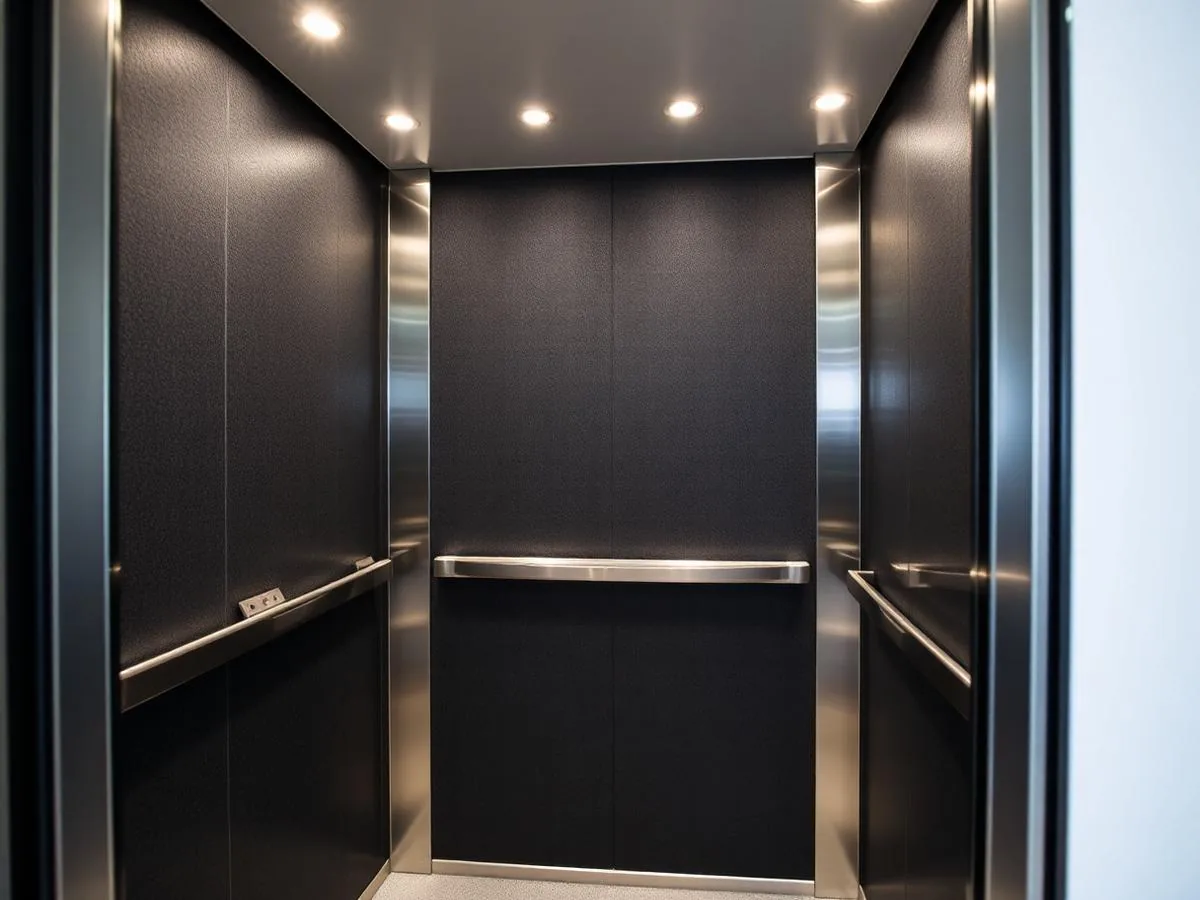
Architectural film lets you change how an interior looks without ripping it out. Worktops, reception desks, doors, joinery, lift lobbies and feature walls can be refinished in wood, stone, concrete, metallic or solid colour, usually over a weekend and at a fraction of replacement cost.
Typical turnaround
10–15 working days from survey
Areas we cover
Glasgow, Rutherglen, Cambuslang, East Kilbride, Paisley and most of Scotland
The case is strongest where the substrate is sound but dated. A laminate reception desk with a good carcass, a run of MFC kitchen units, oak veneer doors that no longer suit the brand, a stained melamine worktop in a staff canteen — all of these are structurally fine and visually finished. Film addresses the surface and leaves the rest alone.
The economics follow: no strip-out, no skips, no joinery lead times and no reinstatement of surrounding finishes. For tenants with dilapidations obligations, film is also reversible in a way that replacement is not.
Feature walls and printed interior graphics
Beyond finish films we print full-colour wall graphics: brand walls in reception, values and wayfinding typography along corridors, photographic murals in breakout areas, and printed panels for meeting rooms. Media is chosen for the wall — smooth plaster takes a self-adhesive film, textured or newly skimmed surfaces are better served by a wallcovering-grade material.
Where the surface takes knocks — corridors, lift lobbies, hospitality circulation — we specify an anti-scuff or anti-graffiti laminate so the scheme still looks new after a year of trolleys and shoulders.
Preparation and programme
Vinyl exposes whatever it is laid over, so preparation is most of the job: degreasing, filling chips, sanding back lifting laminate edges and de-nibbing plaster. Doors are usually taken off, wrapped on trestles and rehung so edges wrap round rather than stopping short.
Most commercial interiors are handed back in use the following morning. We work in phases where the space cannot close, sequencing floor by floor or wing by wing.
What we specify
Wood, stone, concrete and metallic architectural films
Solid colour matt, satin and gloss interior films
Printed wall graphics with anti-scuff laminate
Wallcovering-grade media for textured surfaces
Fire-rated films for regulated circulation areas
How we deliver the work
1. Substrate assessment
Vinyl only performs as well as what it sticks to. We test the surface energy, condition and cleanliness of walls, doors, cladding, plant and joinery before agreeing an adhesive system.
2. Sample and sign-off
For unusual substrates such as textured wall panels, powder-coated metal or laminate doors, we apply a physical test patch and leave it for 48 hours before committing to the full job.
3. Production
Films are printed and cut in-house, with panel joins planned around fixtures so seams land where the eye does not travel.
4. Install and handover
Application is dry or wet depending on film and substrate, followed by a snag walk with your site contact and a care sheet covering cleaning products to avoid.
What affects the price
Every job is priced to the site, so we don't publish a fixed list. These are the main things that move the price. Send photos or measurements and we'll give you a clear, itemised quote.
Surface area and surface type
Film type: architectural, printed or specialist finishes
Surface preparation needed
Access and working hours
Typical turnaround
Small interior jobs such as door sets and equipment marking are usually fitted within three to five working days. Larger refurbishment packages are programmed alongside the main works and phased area by area.
What makes a good result
Adhesive matched to the substrate, not a single all-purpose film for every surface
Test patches on anything textured, coated or unproven
Seams planned to fall on architectural lines
Removable-grade film where the client will need the surface back
Standards, materials and compliance
The detail we work to on every job of this type — checked at survey, recorded on the specification and evidenced on request.
Substrate preparation
Surfaces degreased and tested for adhesion; freshly painted walls left to cure before application to prevent later delamination.
Materials
Wall-safe removable films for leased space, architectural films for hard surfaces, and anti-graffiti laminates in high-traffic areas.
Frequently asked questions
How durable is architectural film on a worktop?
Interior films are rated for years of normal commercial use and handle cleaning products fine. They are not chopping boards or heatproof mats — for heavy prep areas we would recommend replacement over film.
Can you wrap fire doors?
Yes, using fire-rated film and keeping intumescent strips, seals and certification labels clear. We will confirm the specific door spec before quoting.
Will it look like a sticker?
Not when it is prepared and wrapped properly. Edges are wrapped round returns rather than cut flush on the face, which is what separates a professional install from a visible film job.
Can it be removed later?
Yes. Interior films come off with heat, leaving the original surface intact — useful for tenants who need to reinstate at lease end.
Can vinyl be applied to textured or painted walls?
Sound, smooth emulsion takes wall vinyl well. Heavily textured surfaces need either a specialist conformable film or a smooth substrate first — we assess this at survey rather than guessing.
Is the vinyl removable at the end of a lease?
If you tell us it needs to come off later we specify removable-grade adhesive from the outset, which lifts cleanly with heat and leaves the surface ready for redecoration.
Related services
Work that usually runs alongside this one, delivered by the same team on the same visit where the programme allows.
Get a quote for vinyl graphics & commercial vinyl in Glasgow
Send sizes, drawings or site photos and we'll return a specification and a costed quote for vinyl graphics & commercial vinyl — usually within one working day.